Recycling and Sustainability at Man With Van Kingston
 At Man With Van Kingston, sustainability is built into the way we plan, load, transport, and dispose of items. Our recycling and sustainability approach focuses on reducing landfill waste, supporting local reuse networks, and using cleaner transport wherever possible. We aim to keep a minimum recycling percentage target of 85% for suitable move-related materials, including cardboard, plastic wrap, wooden packing, metal items, and reusable household goods. By separating waste carefully and choosing the right destination for each material, our Kingston removals service can support a more circular local economy.
We work with a clear hierarchy: reuse first, then recycling, and only then disposal. That means furniture in good condition is assessed for donation, dismantled for reuse of components, or diverted to specialist recycling streams. In practical terms, our Man With Van Kingston recycling process helps reduce the amount of move-related waste created during house clearances, office relocations, student moves, and storage clear-outs.
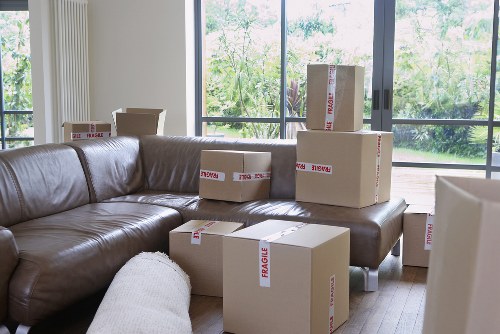 The Kingston area benefits from a strong local culture of waste separation, and we reflect that in our daily operations. Borough-led collection systems often ask residents to separate dry mixed recycling, food waste, and residual refuse into different streams, and we apply the same disciplined approach on jobs. That means keeping paper and cardboard clean and dry, collecting soft plastics and wrapping separately where possible, and ensuring broken appliances are handled correctly through approved routes.
When a move generates mixed waste, we direct it to local transfer and sorting facilities that can process materials efficiently. In and around Kingston, this can include nearby transfer stations and waste reception points serving the borough and surrounding Southwest London area. These facilities are important because they allow bulk loads to be separated properly, with recyclable items extracted before the rest is forwarded for treatment. Using these local facilities helps cut unnecessary mileage and supports better material recovery.
Our team also pays attention to item-specific recycling. Metals such as bed frames, shelving, and old fixtures can be sent to metal recycling streams. Cardboard boxes, especially from office or student moves, are flattened and delivered for paper recovery. Timber from dismantled furniture may be reused, chipped, or sent to wood recycling where appropriate. Even if an item is not suitable for direct recycling, we still look for the most responsible end point rather than sending everything to mixed waste.
 Another important part of recycling with Man With Van Kingston is our partnership work with charities and reuse organisations. Items such as wardrobes, tables, bookshelves, kitchenware, and home accessories can often be passed on to charitable partners if they are clean, safe, and functional. This extends the life of useful goods and helps support community projects, low-income households, and local donation schemes. It is a simple but effective way to reduce waste while creating social value.
We are especially careful with bulky items that often appear during clear-outs, such as sofas, mattresses, white goods, and office furniture. Some of these can be recycled through specialist channels, while others may be suitable for parts recovery or refurbishing. Mattress recycling, for example, can recover metal springs, foam, and textiles; white goods can be dismantled so metals, wiring, and plastics are separated; and office furniture may be reconditioned for reuse instead of replacement. These are the kinds of activities that make a real difference in Kingston sustainability services.
Our low-carbon vans are another major part of the plan. We use efficient, well-maintained vehicles designed to reduce fuel use and emissions on local journeys. Route planning is central to this effort: by grouping jobs sensibly across Kingston, Surbiton, New Malden, Norbiton, and nearby districts, we minimise empty miles and cut down on unnecessary idling. Where possible, loads are consolidated so fewer trips are needed, which helps lower the carbon footprint of each move.
In addition to reducing emissions, our approach supports the wider borough goal of improving waste separation at source. We encourage careful packing and clear sorting on moving day so reusable and recyclable materials are not mixed with general rubbish. This supports cleaner transfer station inputs and makes it easier for downstream facilities to recover materials efficiently. For customers, it means a more orderly process; for the environment, it means less waste and better resource use. The result is a practical model of Man With Van Kingston sustainability that suits both homes and businesses.
 We also recognise that sustainability is not only about waste handling; it is about the whole service chain. Packing material choices matter, so we prioritise recyclable boxes, reusable crates, and reduced single-use wrapping whenever suitable. Items that can be protected with blankets, reusable covers, or recycled paper are treated accordingly, helping cut reliance on disposable materials. This is especially useful during repeated student moves, small office relocations, and seasonal clearances when packaging waste can otherwise build up quickly.
Our commitment to greener removals in Kingston includes ongoing review of recycling outcomes. We monitor the proportion of material diverted from landfill, the quality of sorting, and the use of charity channels to keep improving. The aim is not just to meet a number, but to make sustainability a normal part of the moving process. By working with local transfer stations, charity partners, and low-carbon vans, we create a more responsible and efficient service that reflects the needs of the area.
 For anyone seeking a more environmentally conscious move, Man With Van Kingston recycling and sustainability offers a practical answer. From borough-style waste separation to reuse partnerships and cleaner transport, every step is designed to reduce impact and extend the life of valuable materials. It is a local service built around careful handling, smart logistics, and a clear commitment to greener outcomes.