Kingston Council waste rules and charity donation after removals
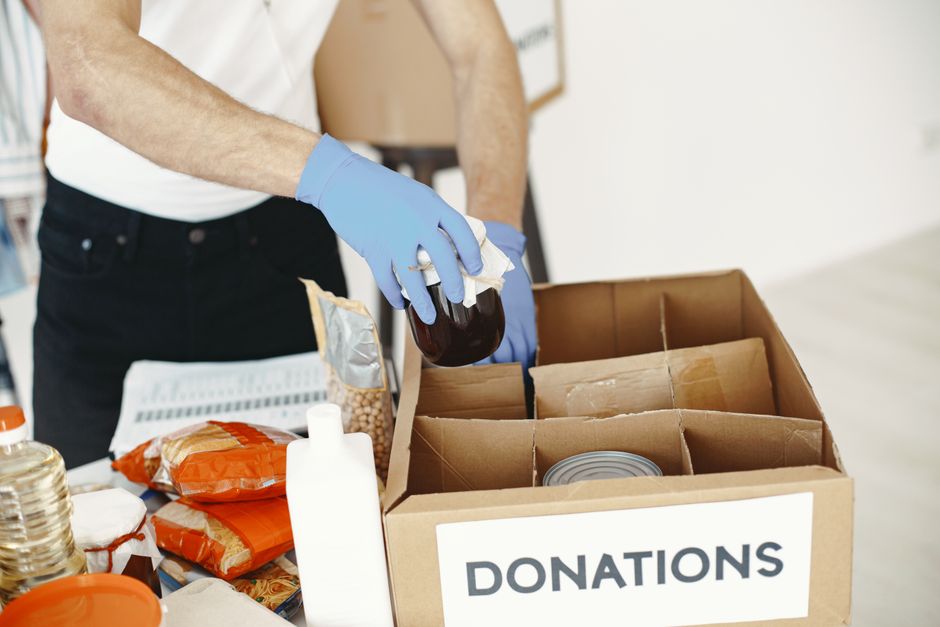
If you have just finished a move in Kingston, the last thing you want is a pile of leftover bits staring back at you from the hallway. Old screws, broken shelves, a lamp with no shade, boxes you swore you would reuse, and that one armchair nobody wants to carry downstairs. This is exactly where Kingston Council waste rules and charity donation after removals become useful. Get it right, and you save time, reduce stress, and avoid turning a move-out clean-up into a second job.
In plain English, the idea is simple: separate what can be donated, what should be recycled, and what must be disposed of responsibly. That sounds easy enough, but in real life, removals create mixed waste streams, awkward furniture, and a surprising amount of packaging. This guide walks you through the practical side of it, with local-friendly advice, sensible steps, and a few hard-earned lessons that can save you a headache later.
Why Kingston Council waste rules and charity donation after removals Matters
Waste after a removal is not just clutter. It is a mix of responsibility, timing, and common sense. Some items can be donated and reused. Some can be broken down and recycled. Others need proper disposal. If you leave this decision until the end of moving day, you often end up with a messy compromise: bags of mixed rubbish, furniture blocking the pavement, or items shoved into a van because nobody had time to think. Not ideal.
For Kingston residents, the council rules matter because they shape what you can leave out, how you separate it, and what should be handled through legitimate waste routes. Charity donation matters because it gives good-quality items a second life, which is far better than sending serviceable furniture to the skip. To be fair, most people want to do the right thing. They just need a clear plan.
There is also a practical side. Donations and correct waste sorting can reduce disposal volumes, lower stress on collection day, and make the final handover of a property cleaner and faster. If you are moving out of a flat, a family home, or a small office, that can be the difference between a calm finish and a frantic last-minute scramble.
How Kingston Council waste rules and charity donation after removals Works
The easiest way to think about this is in three buckets: donate, recycle, dispose. That sounds neat, and in practice it is usually the right starting point.
Donate: anything clean, usable, and safe enough for somebody else to take. That might include a solid dining chair, a working microwave, a bookcase in decent condition, or sealed household goods that a charity will accept. The key thing is condition. If you would hesitate to give it to a friend, it probably is not a donation item.
Recycle: items that are no longer useful but can still be broken down into recyclable material. Think cardboard, some plastics, metal components, and certain electricals, depending on how they are handled. Many moves create mountains of cardboard, and honestly, it arrives in waves. One minute it is a neat stack; the next minute there is a small fort made of boxes by the front door.
Dispose: damaged, contaminated, or non-reusable waste that cannot be donated or recycled. This includes broken furniture, torn soft furnishings, and mixed rubbish that has no practical recovery route. Disposal should be the last resort, not the first.
In removals, the tricky bit is the grey area. A chest of drawers with one faulty runner might still be useful to a charity if it is structurally sound. A sofa with ripped fabric may not be suitable. A mirror with a small chip may or may not be accepted. This is where judgement matters more than a rigid rulebook.
If you are arranging a move and want help with the physical side of lifting, loading, and sorting, it can be worth looking at professional removals support in Kingston or, for smaller jobs, a flexible man with van service. The point is not just transport. It is making the disposal and donation process less chaotic.
Key Benefits and Practical Advantages
There are a few reasons this approach makes sense beyond simply "being tidy".
- Less waste to deal with: sorting items early reduces the amount left for last-minute disposal.
- Better use of good furniture: usable items can help local charities instead of going straight to landfill.
- Smoother move-out day: fewer decisions under pressure, fewer awkward delays.
- Cleaner property handover: landlords, buyers, and agents tend to notice when a place has been left responsibly.
- Lower stress: once the donation pile and waste pile are separate, the whole job feels more manageable.
There is a quieter benefit too. You get that satisfying sense that the move has been handled properly. Let's face it, moving is noisy, dusty, and emotionally strange at the best of times. A sensible declutter and donation plan gives the process a bit of dignity.
If you are also thinking about storage because you are not ready to part with everything yet, storage options can buy you time to decide what stays, what goes, and what gets donated later on.
Who This Is For and When It Makes Sense
This topic matters to more people than you might think. It is not just for homeowners doing a big clear-out. It is also useful for renters, landlords, students, office managers, and anyone who has reached the "why do I own three spare lamps?" stage of life.
- Home movers: especially if you are downsizing or clearing a family house.
- Flat movers: where access is tight and rubbish is harder to carry down safely.
- Students: moving between term-time addresses often leaves behind unwanted items and packaging.
- Office relocations: old chairs, monitors, filing cabinets, and desks can add up quickly.
- Landlords and letting agents: end-of-tenancy clearances often need careful sorting.
It also makes sense if you are working to a deadline. Maybe the keys are being handed over at 10 a.m. on Friday and the lift has already decided to be unhelpful. In that situation, having a donation plan and a waste plan is not a nice extra. It is essential.
For larger household moves, services such as home moves or house removals can help with the heavy lifting, while more compact jobs may suit removal van support. Different homes, different headaches.
Step-by-Step Guidance
If you want a clean, sensible system, this is the order I would follow.
- Walk through the property early. Do not wait until moving day. Make a quick room-by-room list of anything you do not want to keep.
- Separate items into three piles. Donate, recycle, dispose. Keep the piles physically apart if possible, even if that means using different corners of the room.
- Check donation suitability. Charities usually want items that are clean, usable, and safe. Wobbly legs, heavy staining, or missing parts may rule something out.
- Break down bulky items where safe. Flat-pack pieces, cardboard, and removable components are easier to handle and sort.
- Protect reusable items. Wrap fragile donations so they stay in decent shape in transit. A well-packed item is far more likely to be accepted.
- Schedule collection or transport. Donation drop-offs and waste disposal should be planned around your move date, not after it.
- Keep receipts or confirmation where appropriate. If a charity collects items, keep a simple record for your own file. Nothing fancy.
- Do a final sweep. Check cupboards, loft spaces, under beds, behind radiators, and that awkward gap beside the washing machine. You always find something there.
A practical tip: label boxes and items clearly. "Donate - kitchen", "Recycle - cardboard", "Dispose - broken shelf". It sounds almost too simple, but on a busy day labels prevent good items getting mixed with rubbish. That one tiny habit saves a lot of backtracking.
If you are using packing support, packing and boxes services can help keep reusable items organised from the start, which makes donation sorting much easier later.
Expert Tips for Better Results
Here are the details people often miss, even when they have done a few moves before.
- Start with the most awkward items first. Bulky furniture, old mattresses, and broken shelving eat time. Deal with them early.
- Keep an eye on hygiene. Soft furnishings, kitchen items, and anything with mould, odour, or residue may not be donation-safe.
- Do not assume "old" means "waste". Some older items are still very usable. Age alone is not the issue; condition is.
- Use the move as a reset. If you have not touched something in years, ask whether it deserves transport at all.
- Match the service to the job. A small donation run does not need the same setup as a whole-house clearance.
One thing I have seen more than once: people keep "maybe" items until the last hour, then panic and dump them in the nearest pile. The result? Donations become waste, waste becomes a mixed bag, and everyone does extra lifting for no reason. Be decisive. A little ruthless, even.
If you are balancing work, family, and a move at the same time, a straightforward option such as man and van support can be a calm middle ground: enough help to move items safely without overcomplicating the day.
Common Mistakes to Avoid
Most move-related waste problems come from a handful of predictable mistakes. The good news? They are easy to avoid once you know what to look for.
- Leaving sorting until the end. This is the big one. If everything is mixed together, the decision-making gets messy fast.
- Putting questionable items in charity piles. A charity does not want broken furniture disguised as generosity.
- Ignoring access issues. Large items can get stuck in hallways, stairwells, or narrow communal entrances.
- Overfilling bags and boxes. Heavy, overloaded containers are awkward and unsafe to carry.
- Assuming the council will collect everything. Rules vary, and large or bulky items often need separate arrangements.
- Forgetting electrical safety. Cables, plugs, and appliances should be checked before donation or disposal.
There is a subtle one too: people sometimes donate items that are technically usable but not clean enough. A dusty bookshelf can be wiped down. A sticky kitchen chair with old food residue? Not so much. It sounds obvious, but it happens.
If a move has become more than you can sensibly manage in one day, same day removals may be useful where timing is tight, especially if you need to clear remaining items before a deadline.
Tools, Resources and Recommendations
You do not need a complicated toolkit to handle waste and donations well. A few simple things make the process much easier.
- Marker pens and labels: for separating donation, recycle, and dispose piles.
- Strong boxes and bags: especially for loose household items and small electricals.
- Basic cleaning supplies: a quick wipe-down can turn "maybe" items into good donation items.
- Gloves and tape: sensible when handling dusty or sharp items.
- Phone notes: useful for keeping a running list of items that need action.
From a service perspective, it helps to work with a mover who understands both transport and responsible disposal. That might be a dedicated removal services option, or a more flexible setup depending on the size of your load. If you are moving a larger home or office, you may also want to look at removal truck hire or moving truck support for bulkier loads.
It can also help to plan your packing so donations are accessible. Keep them near the exit, not buried under things you still need. Sounds obvious. Still gets missed.
Law, Compliance, Standards, or Best Practice
When waste is involved, it is wise to be careful and not casual. In the UK, householders and businesses are generally expected to dispose of waste responsibly and avoid fly-tipping, unmanaged dumping, or mixing problem materials into normal household waste. Local council rules can differ in the detail, so the safest approach is to check the current Kingston Council guidance before you move items out.
Best practice usually means:
- keeping donation items separate from general waste,
- making sure anything donated is safe, clean, and suitable for reuse,
- handling electrical items carefully,
- using legitimate disposal routes for bulky, damaged, or non-reusable items,
- avoiding placing waste where it could block pavements, entrances, or communal access.
For businesses, there is often an extra duty to be organised. Office furniture, packaging, and old equipment should be separated properly, recorded sensibly, and removed in a way that does not cause disruption. If that sounds a bit formal, it is because commercial waste often carries more responsibility than people expect. For office clearances, office removals or commercial moves support can make the process far less chaotic.
Expert summary: If you are unsure whether something should be donated, recycled, or disposed of, ask a practical question: "Would I confidently give this to someone else to use today?" If the answer is no, it probably needs another route.
Options, Methods, or Comparison Table
Different items need different treatment. Here is a simple comparison that helps when you are making quick decisions mid-move.
| Option | Best for | Typical benefit | Main caution |
|---|---|---|---|
| Donation | Clean, usable furniture, homeware, and some electricals | Gives items a second life and reduces waste | Items must be safe, complete, and acceptable to the charity |
| Recycling | Cardboard, metal parts, some packaging, and selected recyclables | Reduces general waste volume | Materials often need separating first |
| Disposal | Broken, contaminated, or non-reusable items | Clears the property properly | Should be the last option, not the default |
If your move involves a flat or tight access point, flat removals can be especially useful because access, lifting, and waste handling tend to be more complicated in apartment settings. For lighter loads, a man with a van may be enough. For bigger households, a full removals setup may be the better fit.
Case Study or Real-World Example
Picture a fairly typical Kingston move: a two-bedroom flat, a ground-floor storage cupboard stuffed with old boxes, and a dining set that has survived three house moves and one particularly enthusiastic cat. The owners wanted to donate anything usable, recycle the packaging, and dispose of the broken bits without leaving a mess for the landlord.
They started two days before moving out. First came the donation pile: a usable side table, a standing lamp, and a nearly new kettle. Next came recycling: flattened boxes, clean packing paper, and a stack of old envelopes. Finally, the broken shelf, a cracked plastic laundry basket, and a damaged chair went into disposal.
Because the items were sorted before the removal team arrived, the load was quicker to handle and there was less back-and-forth at the kerb. The property was left clear, the charity items were ready to go, and the final room check took minutes rather than an anxious hour.
The odd thing is, the smoothest moves often look almost boring from the outside. No drama, no frantic bin bags, no "we'll sort it later". Just a clear process. Boring can be brilliant.
Practical Checklist
Use this simple checklist the day before your move or clearance.
- Have I separated donation, recycle, and dispose items?
- Are donation items clean, usable, and safe?
- Have I checked for batteries, cables, plugs, and loose fittings?
- Are boxes clearly labelled?
- Have I arranged transport or collection in time?
- Do I know which bulky items need extra handling?
- Have I checked cupboards, lofts, drawers, and under furniture?
- Is the hallway and exit route clear?
- Have I kept the move-out area free from mixed rubbish?
- Am I confident nothing usable is accidentally being thrown away?
If you are moving at the same time as packing everything up, a service like packing and unpacking services can save time and reduce the chance of items getting mixed together. That tiny bit of structure makes a big difference when the pressure is on.
Conclusion
Kingston Council waste rules and charity donation after removals are really about making good decisions at the right time. Donate what can still be used, recycle what can be recovered, and dispose of what genuinely has no second life left. Simple enough in theory, but much easier when you plan ahead and keep the categories separate.
Done well, this approach saves effort, supports reuse, and leaves your property in better shape for the next person. It also gives you a cleaner ending to what is usually a fairly exhausting week. Truth be told, a move always feels better when the last room is empty and the bin bags are not taking over the pavement.
Get a free quote today and see how much you can save.
And if you are still in the middle of the process, take it one box at a time. That is usually enough. Not perfect, just steady. That tends to work.
Frequently Asked Questions
What should I donate after a house removal in Kingston?
Donate items that are clean, complete, and safe to use again. Good examples are sturdy furniture, working small appliances, mirrors in good condition, and homeware that is not damaged or heavily stained.
Can I leave bulky waste out for council collection?
Sometimes, but not always in the way people expect. Kingston Council waste rules can differ depending on the item and collection method, so it is best to check current local guidance before putting anything out.
What items are usually not suitable for charity donation?
Items that are broken, dirty, unsafe, missing parts, or heavily worn are often not accepted. If something would need repair before anyone could use it, donation is usually not the right route.
Should I recycle cardboard from moving boxes?
Yes, where possible. Flattened, clean cardboard is one of the easiest things to recycle after removals, and it makes a huge difference to how much waste you are left with.
What happens to furniture that is too damaged to donate?
Damaged furniture usually needs disposal or component recycling, depending on its materials and condition. Wood, metal, and some fittings may need to be separated before removal.
Is it better to sort waste before or after moving day?
Before, if you can manage it. Sorting early prevents mix-ups, speeds up loading, and helps you avoid throwing away something that could have been donated.
How do I know if an electrical item can be donated?
Check that it works properly, has no exposed damage, and is safe to use. If in doubt, treat it cautiously. A charity will usually prefer something fully functional and presentable.
Do removals companies help with waste separation?
Some do, especially if you ask in advance and explain what needs donating, recycling, or disposal. It is always worth making the plan clear before collection day, because surprises slow everything down.
What is the best way to avoid fly-tipping or messy disposal?
Use legitimate disposal routes, keep items contained, and do not leave waste in shared spaces or on the pavement. If you have more waste than expected, arrange proper collection rather than improvising.
Can I use a van service for charity donations and disposal together?
Yes, if the load is sensible and clearly separated. A mixed run can work well, but only if the donation items are packed separately from waste and everything is labelled clearly.
What if I have no time to sort everything myself?
Then prioritise the main categories first: keep, donate, recycle, dispose. Even a rough sort is better than throwing everything into one pile. If the move is urgent, professional help can save a lot of stress.
Why does this matter for office moves too?
Office moves create a surprising amount of waste: packaging, old chairs, documents, and outdated equipment. Sorting those items properly helps the move go faster and keeps the workspace tidy for the handover.