Norbiton Kingston narrow access removals what to know
Posted on 23/05/2026
Norbiton Kingston Narrow Access Removals: What to Know Before Moving Day
If you are planning a move in Norbiton or anywhere around Kingston and the route in, out, or inside the property looks a bit awkward, you are not alone. Narrow hallways, tight stairwells, basement flats, small garden gates, awkward parking, and period properties can turn a simple removal into a careful little puzzle. That is exactly why Norbiton Kingston narrow access removals what to know matters so much: the more you understand the access issues early, the smoother your move will be on the day.
Truth be told, most moving problems do not start with the lifting. They start with the access. Can a van stop close enough? Will the sofa clear the bend on the stairs? Is there room to turn a wardrobe without scraping the wall? These are the questions that save time, stress, and a fair bit of grumbling later on. In this guide, we will walk through the practical side of narrow access moves, explain what removal teams look for, and show you how to plan a move that feels manageable rather than chaotic.
Why Norbiton Kingston Narrow Access Removals What to Know Matters
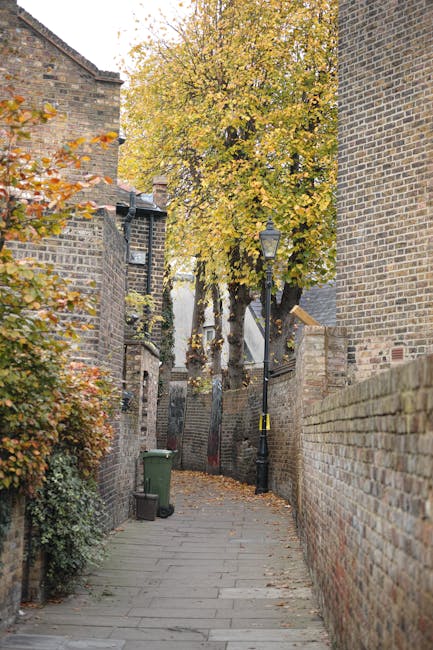
Norbiton has plenty of homes where access is not wide-open and straightforward. Older terraces, converted flats, tight communal hallways, and roads where parking is always a bit of a dance can all create moving-day complications. If you have ever stood at the bottom of a narrow staircase holding a mattress sideways and wondering how it got this difficult, you will know the feeling.
Narrow access matters because removals are not just about transport. They are about route planning, safe handling, time management, and protecting property. A good removal team will want to know much more than the number of boxes. They will want to know if there are steps at the front door, whether the lift works, whether a van can park legally nearby, and whether the largest items can physically pass through the entrance.
This is especially important in Kingston, where moving conditions can vary wildly from one street to the next. A flat move near the centre may need different handling from a ground-floor house with a side return. If you are still deciding what kind of move you need, our removal services in Kingston page gives a useful overview of the options.
Key point: narrow access does not automatically mean a difficult move. It just means the move needs better planning, better measuring, and a team that knows how to work in tight spaces without rushing.
How Norbiton Kingston Narrow Access Removals What to Know Works
At a practical level, a narrow access removal is about making the route from A to B as efficient and safe as possible. The process usually starts before the van even arrives. You describe the property, the items, the entry points, and any issues that could slow things down. The more detail you provide, the more accurate the planning can be.
In a typical narrow access job, the team may need to:
- check whether parking is possible close to the property
- assess stairs, lifts, low ceilings, sharp turns, and tight landings
- protect floors, bannisters, and door frames
- choose the right size vehicle for the street and load
- use lifting straps, blankets, dollies, or specialist handling methods
- break down furniture where possible to make clearance easier
Sometimes the challenge is not just getting things out, but getting them out without scuffing paintwork or damaging the item itself. A wardrobe might fit, but only if the doors are removed first. A bed frame might be simple enough, while a bulky sofa or a piano becomes a different story entirely. If you have specialist items, it is worth looking at piano removals in Kingston as a separate consideration because those jobs need extra care and planning.
One thing people often underestimate is timing. Tight access means every trip can take longer, even when the team is highly experienced. That is not a problem in itself, but it does mean you should plan for a bit of breathing space. No one likes standing on the pavement at 5:30pm, watching the clock, and hoping the last box will magically levitate out of the hallway. Would be lovely if it did.
Key Benefits and Practical Advantages
A well-planned narrow access move offers more than just convenience. It can genuinely reduce stress on the day and help protect both your belongings and the building you are leaving or entering.
- Less damage risk: With proper route planning, you lower the chance of scratched walls, chipped corners, and broken furniture.
- Faster loading and unloading: Pre-planning access means fewer surprises and fewer delays once the van is on site.
- Better control over costs: When the team knows what to expect, the quote is usually more realistic from the start. See pricing and quotes for more about how removals are typically estimated.
- Reduced physical strain: Tight staircases and awkward turns can be tiring and risky if handled badly.
- Less neighbour disruption: Thoughtful scheduling and parking planning can keep the move calmer for everyone nearby.
There is also a confidence benefit, which sounds soft but matters a lot. When you know the access issues have been checked, the move feels less like a gamble. You do not spend the previous evening worrying about whether the sofa will fit through the front door. You can focus on the practical stuff: keys, meters, packing tape, and that one cupboard everyone forgets about until the end.
For many local moves, the right vehicle makes a big difference too. If the road is tight or loading space is limited, a smaller vehicle or a flexible man and van Kingston option may be more suitable than a larger truck. In narrow streets, smaller can be smarter.
Who This Is For and When It Makes Sense
Narrow access removals are relevant to more people than you might think. You do not need to live on a tiny lane or in a medieval townhouse to run into access problems. In Norbiton and Kingston, these issues can show up in everyday situations.
This approach makes sense if you are:
- moving from a flat with a tight staircase or no lift
- leaving a terraced house with limited front access
- moving into a converted building with shared hallways
- dealing with limited parking or a parking permit area
- moving heavy furniture, appliances, or fragile items through a narrow route
- trying to complete the move in one trip rather than several
It is also common for students, renters, and first-time buyers to need this kind of planning because they do not always control the building layout. If that sounds familiar, our flat removals Kingston and student removals Kingston pages may be helpful next steps.
And there is a broader local context too. If you are new to the area, our resident's guide to life in Kingston offers useful background on day-to-day living in the borough. For those still exploring the area, this Kingston suburb guide gives a feel for the local streets and lifestyle.
Step-by-Step Guidance
If you want a smooth move, treat access planning like part of the job, not an optional extra. Here is a practical way to handle it.
- Measure the obvious things first. Check the width and height of doors, hallways, stair turns, and lift openings. Do not guess. Guessing has ruined many a moving day.
- Identify the heaviest and most awkward items. Sofas, wardrobes, mattresses, mirrors, washing machines, and large desks are usually the troublemakers.
- Map the route. Think from the room to the van. Where are the corners? Are there steps? Is there a low light fitting or a door that opens the wrong way?
- Check parking and access outside. Can a vehicle stop close enough? Are there restrictions? Do neighbours leave bins or cars in the way on collection days?
- Tell the removal team early. Share photos, measurements, and any access details you have. A quick video walkthrough can be surprisingly useful.
- Prepare the property. Clear hallways, protect floors, and keep children and pets out of the moving path.
- Pack with access in mind. Keep heavier boxes small. Leave awkward dismantling until the final stage if needed, but only if it will not delay the schedule.
- Allow extra time. Tight access jobs often need a slower, more careful pace. That is normal, not a problem.
A small but important point: if you can dismantle furniture in advance, do it. Flat-pack items, bed frames, and shelving units are often far easier to move in pieces. If you need help with that side of the move, see furniture removals Kingston and packing and boxes Kingston for related support.
Expert Tips for Better Results
Here is where the little details make a big difference. The best narrow access jobs tend to have one thing in common: they were thought through before the van arrived.
- Take photos from the actual moving route. A photo of the front door, hallway, stairs, and parking area tells the team more than a vague description ever will.
- Measure the widest and narrowest points. People often measure the door but forget the turn into the corridor. That turn is where items usually get stuck.
- Protect corners in advance. Even a simple bit of padding can save paintwork on a tight stairwell.
- Label boxes by room and priority. If space is cramped, unloading in the right order saves a lot of shuffling around.
- Keep a clear path on both ends. A cluttered landing or hallway slows everything down.
- Plan for weather. Rain on a narrow pavement is not ideal. Slippery steps and damp cardboard are never anyone's favourite combination.
In our experience, a calm moving day usually comes down to one thing: not leaving key decisions until the last hour. A team can work wonders in a tight space, but they cannot change the shape of the staircase. Well, not without a builder and several cups of tea.
If your move may need temporary holding space because access is limited or timing is split across days, our storage in Kingston page is worth a look. It can make a complicated move feel much more manageable.
Common Mistakes to Avoid
Narrow access removals tend to go wrong in predictable ways. The good news? Most of them are preventable.
- Underestimating item size. A sofa that looked fine in the showroom may behave very differently on a sharp stair turn.
- Not mentioning restrictions. Low-hanging branches, narrow gates, timed access, and no-parking zones should be shared early.
- Leaving packing too late. The team should not be waiting while you wrap kitchen items in the final ten minutes.
- Ignoring building rules. Some flats and estates have quiet hours, lift booking requirements, or protective policies.
- Forgetting about dismantling. If furniture can be broken down, that information should be known well before moving day.
- Choosing the wrong vehicle. Too large can be awkward on a tight street; too small can mean extra trips.
Another common slip is assuming a quick quote can be based on the number of rooms alone. That may work for simple moves, but not for one with stairs, limited parking, and a long carry from the van. If you are comparing providers, our removal companies Kingston page may help you think about the wider service picture.
Tools, Resources and Recommendations
You do not need specialist equipment at home, but a few practical tools can make a narrow access move much easier.
| Tool or resource | Why it helps | Best use |
|---|---|---|
| Measuring tape | Checks doorways, stair turns, furniture dimensions | Before the quote and again before moving day |
| Phone camera | Shows the real access route | Helpful for assessments and quoting |
| Furniture blankets | Protects surfaces from knocks and scrapes | For drawers, frames, tables, mirrors |
| Floor protection | Reduces damage in hallways and stairwells | Especially useful in rented homes and shared buildings |
| Box labels | Speeds up unloading and room placement | Particularly useful in compact properties |
For a broader understanding of service options, a look at services overview can help you match the move type to your property. If you need a straightforward local move in a tight area, man with van Kingston or man with a van Kingston may be the right fit. The key is matching the service to the access, not the other way around.
Law, Compliance, Standards, or Best Practice
For removals, the most relevant compliance issues are usually practical rather than complex: safe lifting, property protection, parking awareness, and respect for building rules. The details can vary depending on the site, but the general best practice is straightforward.
Removal teams should work in a way that reduces risk to people and property. That normally includes sensible manual handling, appropriate equipment, and clear communication about hazards such as steep stairs, narrow landings, fragile items, or awkward access. If a property has communal areas or shared entrances, it is also sensible to follow any building management guidance and keep routes clear for other residents.
For customers, the most useful thing is to be honest about access. If a move involves a long carry, a difficult staircase, or anything that might create risk, say so early. That allows the team to plan properly and, if needed, suggest a better approach. If you want to know how a provider handles trust, payment, and customer care, pages like insurance and safety, health and safety policy, and payment and security are useful references.
There is also an ethical side to service delivery. A well-run company should be clear about its terms, its responsibilities, and how it handles concerns. If you ever need it, the site's complaints procedure and terms and conditions help set expectations in a sensible way. Nothing glamorous there, but very useful when you need clarity.
Options, Methods, or Comparison Table
Different access challenges call for different solutions. Here is a simple comparison of common approaches.
| Approach | Best for | Pros | Trade-offs |
|---|---|---|---|
| Standard removal van | Homes with decent street access and reasonable loading space | Efficient for larger loads | Can struggle on tight roads or with limited parking |
| Man and van service | Smaller homes, flats, local moves, awkward parking | Flexible, practical, often easier in narrow streets | May require more trips for larger moves |
| Full removal team | Heavier moves, multiple rooms, larger furniture, more lifting | More hands, better for complex access | Usually needs more planning and coordination |
| Storage plus staged move | Moves split across days or when access timing is limited | Reduces pressure on the day | Requires additional coordination |
For many Norbiton properties, the most sensible choice is a flexible local service rather than trying to force a bigger vehicle into a street that was never designed for it. That is just common sense, really. If you are moving from a house, house removals Kingston is another useful page to review alongside the access details.
Case Study or Real-World Example
Imagine a second-floor flat in Norbiton with a tight communal staircase and a front entrance that opens onto a fairly narrow street. The customer has a sofa, double bed, desk, several boxes, and a fragile mirror. There is no lift, and parking outside is limited to a short loading bay that can fill up quickly on weekday mornings.
What makes this manageable is not luck. It is preparation.
The moving plan might look like this: the customer shares photos of the stairwell and measurements of the sofa; the team checks whether the sofa can be dismantled; the van arrives early enough to use the loading bay; floor protection is put down; heavier boxes are kept small; and the mirror is wrapped and loaded separately. That move may still take longer than a straightforward ground-floor job, but it avoids most of the panic and a lot of avoidable damage.
This is also where communication matters. A good mover will not overpromise, and a prepared customer will not hide awkward details until the van has already arrived. Somewhere in the middle of those two habits sits a much better moving day.
Practical Checklist
Use this checklist a few days before your move. It is simple, but it catches a lot.
- Measure doors, stairs, hallways, and furniture dimensions
- Take photos of the access route from street to room
- Confirm parking restrictions and loading options
- Tell the removal team about tight turns, steps, and lifts
- Dismantle furniture where possible
- Pack heavy items into smaller boxes
- Label fragile and priority items clearly
- Protect floors, corners, and bannisters
- Keep hallways and entrances clear
- Arrange storage if the move is being split
- Check payment, insurance, and service terms in advance
Quick reminder: if the job feels more complex than you first thought, that is normal. Better to adjust the plan early than discover a problem on the doorstep with a full van and no clear path forward.
Conclusion
Norbiton Kingston narrow access removals are all about planning well, measuring honestly, and choosing a removal approach that fits the property rather than fighting it. Narrow hallways, shared stairwells, parking limits, and awkward corners do not have to create a stressful move. They just need a bit more thought and the right support.
If you take one thing from this guide, let it be this: the earlier you share access details, the easier everything becomes. A few photos, some measurements, and a sensible conversation can save hours later. That is the kind of boring advice that works, which is probably why it gets overlooked. Still, it matters.
For local moves, local knowledge helps. If you want to explore services, compare options, or talk through a more awkward moving day, start with the pages linked above and choose the route that feels right for your property. A careful move is a calmer move, and a calmer move is one you can actually remember without wincing.
Get a free quote today and see how much you can save.


 CALL US NOW